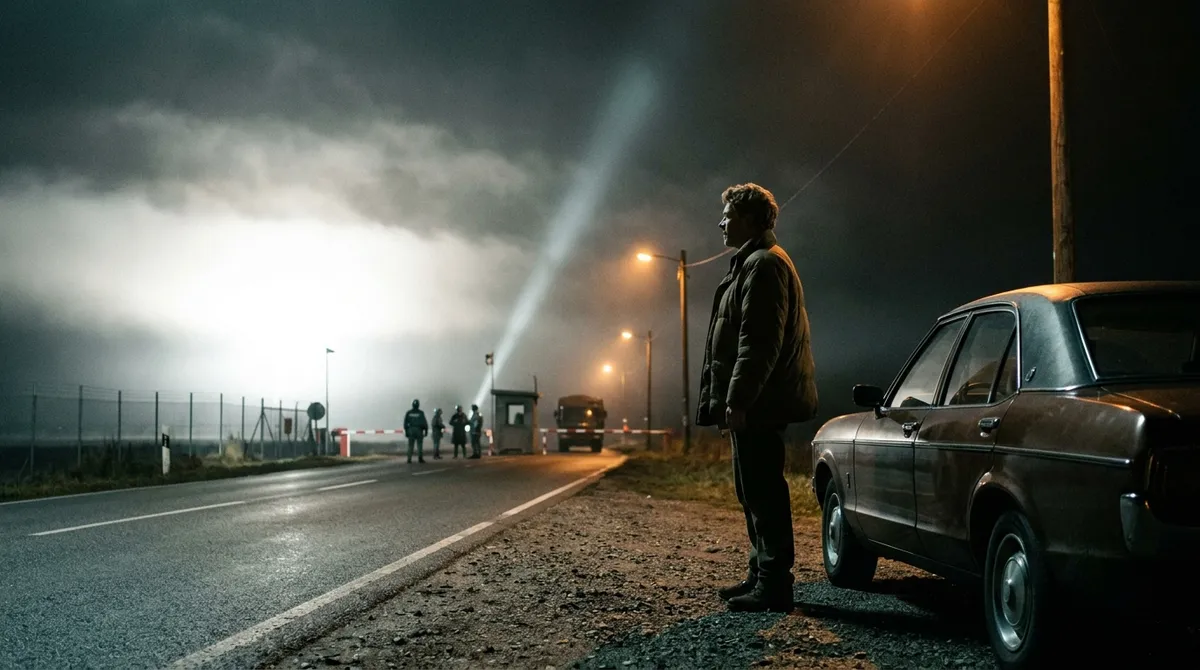
A 1977 Vision That Feels Like Today's Headlines
Steven Spielberg's Close Encounters of the Third Kind hit theaters in 1977 with a bold premise: what if the government was hiding the truth about extraterrestrial contact? Nearly five decades later, according to reports, this science fiction thriller feels strikingly relevant as real-world conversations about UFO transparency and government disclosure dominate headlines in 2026.
The film's exploration of government secrecy, UFO sightings, and conspiracy theories has taken on new significance in an era where these topics have moved from the fringes of popular culture into mainstream political discourse.
When Fiction Meets Reality
Recent years have reportedly seen renewed public interest in UFO phenomena and government disclosure debates, making Spielberg's decades-old exploration of these themes feel both prescient and culturally urgent. The film's narrative about ordinary citizens discovering hidden truths while institutions deny reality has become a template that resonates deeply with contemporary conspiracy culture.
According to reports, the movie anticipated modern UFO disclosure culture and government transparency debates in ways that few could have predicted when it first premiered. The anxieties about government secrecy that Spielberg captured in 1977 now mirror actual declassified UFO reports and congressional hearings taking place in 2026.
The Psychology of Hidden Truth
Close Encounters tapped into something fundamental about human nature: our fascination with the unknown and our suspicion of institutional cover-ups. The film's portrayal of ordinary people discovering truth versus institutional denial established a narrative framework that continues to influence how conspiracy theories are constructed and consumed today.
According to reports, audiences then and now are drawn to stories of hidden alien truth, suggesting that Spielberg understood something essential about the psychology of belief and the appeal of secret knowledge. The film's success lay not just in its spectacular special effects, but in its ability to make government conspiracy feel both plausible and personally meaningful.
Visualizing First Contact
Beyond its thematic relevance, Close Encounters reportedly shaped how we visualize and mythologize first contact with extraterrestrial life. Spielberg's vision of benevolent aliens and spectacular light shows became the gold standard for depicting alien encounter scenarios in popular culture.
This influence extends far beyond entertainment, as the film's imagery and concepts continue to inform how both believers and skeptics imagine what real alien contact might look like. The movie's blend of wonder and paranoia created a template for how UFO narratives unfold in public discourse.
From Science Fiction to Congressional Hearings
The parallels between Spielberg's fictional world and today's reality are particularly striking when examining how the film depicted government responses to UFO phenomena. According to reports, the movie's portrayal of secretive government agencies and classified programs mirrors the structure of actual disclosure movements and transparency debates happening in 2026.
Creators and commentators can reportedly draw meaningful connections between the film's themes and modern UFO disclosure culture, examining how science fiction predicted today's real-world conversations about institutional transparency and the unknown.
A Cultural Time Capsule
Close Encounters of the Third Kind serves as both entertainment and cultural artifact, capturing the anxieties of its era while somehow anticipating the concerns of ours. According to reports, the film's enduring relevance demonstrates how effectively Spielberg identified and explored themes that would only become more prominent with time.
As government agencies continue to release previously classified information about unidentified aerial phenomena and congressional committees hold hearings on UFO encounters, Spielberg's 1977 vision feels less like science fiction and more like a roadmap for understanding our current moment.
The film's lasting impact suggests that some stories transcend their original context, becoming more relevant rather than less so as time passes and reality catches up to imagination.